Africa
Itigi Thicket Wildflower
This honey is a representation of the botanical biodiversity of Tanzania in the Southern Acacia–Commiphora bushlands and thickets, a tropical grasslands, savannas, and shrublands ecoregion. The honey is derived from beekeepers in and around the Itigi Thickets of central Tanzania. The thickets are composed of a dense mixture of brush and tree species which grow in concentration within just two small regions in the world. The mostly deciduous brush, bush, scrubland, and woodlands, the Itigi thickets house an incredible array of endemic flora and fauna species. We are humbled to have access to this honey, and grateful for the opportunity to share it with you.
Aroma: Woody, Citrus Zest, Tobacco Leaf | Color: Light Amber | Main Note: Beeswax, Citrus Incense | Nectar Source: Subtropical and Tropical Shrubs | Region: Central Tanzania

Njombe Wildflower (w/Eucalyptus)
Smooth and savory with a toffee & caramel profile, this honey highlights the botanical diversity and beauty of the diverse southern region of Njombe. Njombe wildflower reflects the uniqueness an beauty of Tanzanian biodiversity. One of our favorite honeys, this is from the beekeeping groups in located in the southern agricultural growth corridor of Tanzania. Beekeepers use mixed hive technologies including log, grass, top bar, and Langstoth to deliver capped comb for extraction.
Aroma: Dates, Dried Fruit | Nectar Source: Eucalyptus, Pine, Wildflowers | Main Note: Caramel, Toffee, Pecan | Region: Njombe, Tanzania
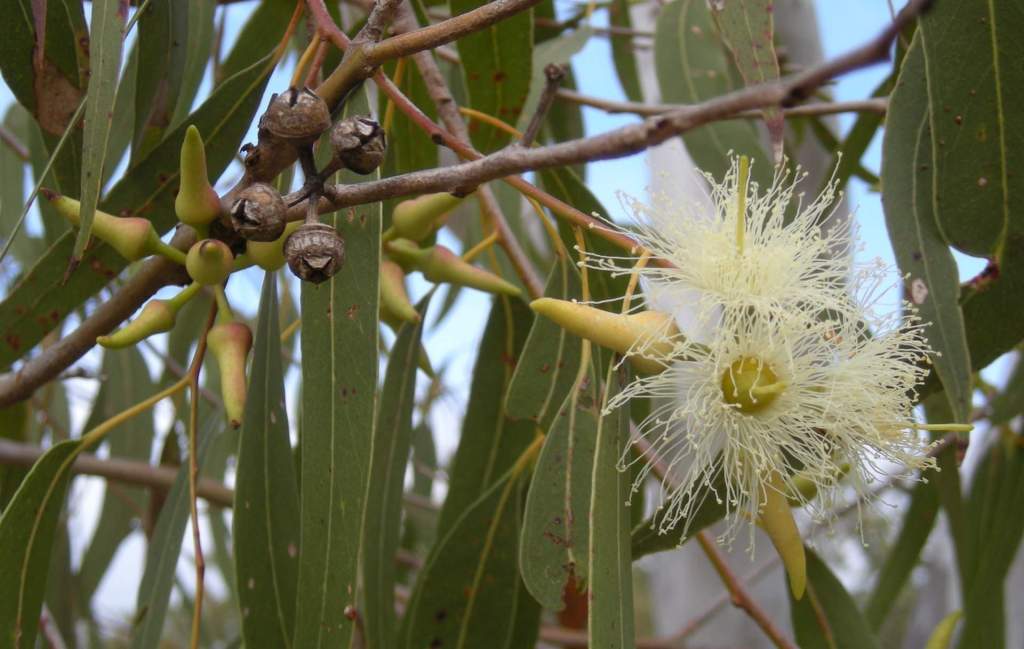
Nigerian Southern Wildflower (Casearia Barteri & Parkia)
Full fruit and subtle spice notes make this amber honey a rich experience. This high monofloral honey hits with a burst of tropical fruit notes accompanies by a mulled cider-like back end. Casearia barteri is a small tree native to west Africa. This honey also contains traces of African locust bean (parkia) and nectar of cashew and hog plums. [Partner: Wafroex]
Image Credit: Rudolphe Lemmons. http://www.africanplants.senckenberg.de/root/index.php?page_id=84
Aroma: Fruity, Raisin, Tropical | Color: Amber | Main Note: Mulled Cider, Tropical Fruit Punch | Nectar Source: Casaeria Barteri, Parkia | Region: Ogun, Oyo | Harvest Season: February-March

Tanzanian Miombo Woodland Honey (Light Miombo)
Tanzanian Light Miombo honey is derived from jubernardia and other subspecies of trees in the legume family that grow in woodland savanna eco regions of central and east Africa. Light Miombo honey consists more heavily of nectar derived from Julbernardia and/or Isoberlinia trees, but can also contain Brachystegia (miombo tree) nectar.
Miombo is vernacular for woodlands growing in southern and central Africa. The tree species that provide nectar are the Brachystegia (miombo), Julbernardia, and/or Isoberlia — all three are part of the legume family. These woodlands are home to innumerable species of flora and fauna, and provide access to a number of human products and services which range from food and medicine to cultural and spiritual needs. [Partner: Kilimo Nyuki]
Color: Amber | Nectar Source: Julbernardia | Main Note: Caramel, Fig, Smokey | Region: Katavi, Tanzania | Harvest Season: June–August

Tanzanian Miombo Tree Honey (Dark Miombo)
Miombo Woodlands are found in central and east Africa. The Dark Miombo has a unique flavor profile with notes of tobacco and chocolate, with mesquite undertones. Dark Miombo honey is derived from trees that are of the Brachystegia genera (21 species of tree), and produce rich nectar flows for honeybees. This nectar results in a dark and distinct honey, resembling molasses in appearance.
Miombo is vernacular for woodlands growing in southern and central Africa. The tree species that provide nectar are the Brachystegia (miombo trees), Julbernardia, and/or Isoberlia — all three are part of the legume family. These woodlands are home to innumerable species of flora and fauna, and provide access to a number of human products and services which range from food and medicine to cultural and spiritual needs. [Partner: Kilimo Nyuki]
Color: Dark Amber | Nectar Source: Brachystegia | Main Note: Chocolate, Mesquite, Smokey, Tobacco | Region: Katavi, Tanzania | Harvest Season: September–November

Ethiopian Grawa
Thicker-than-average viscosity, this monofloral honey tastes of burnt caramel with a hint of bitterness. Also known as “bitter leaf,” this medicinal flower comes from a shrub endemic to tropical African countries. Fun fact: Chimpanzees seek out and ingest Grawa leaves when they suffer from infections. [Partner: Maryiza]
Color: Dark Amber | Region: Gera Forest, Ethiopia | Harvest Season: March
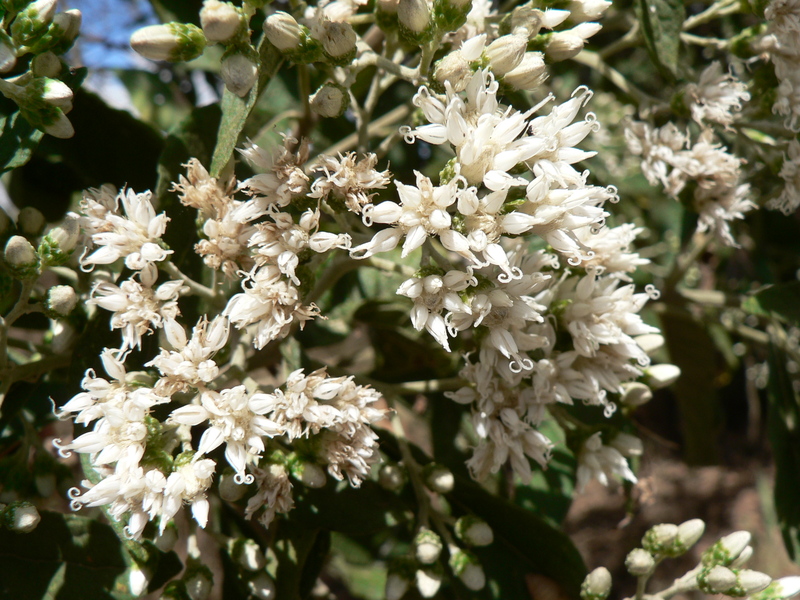
Ethiopian Geteme
Geteme (schefflera abyssinica) is a large tree native to the horn of Africa, that contributes to production of white or off-white honey. This monofloral honey tastes of sweet, fresh spring flowers with deep notes of rose. Mariza honeys are biodynamic and naturally ferment, crystallize, and/or evolve in other ways. Their biodynamic nature does not affect edibility or food safety – like all other honeys, it will never expire.
The Geteme tree (Schefflera abyssinica) flourishes in high altitudes across Ethiopia and east Africa. In Ethiopia, many farmers manage their wild or domesticated coffee trees under the shade of Gateme trees, which can tower 20-30 meters high. Found concentrated in forests throughout Ethiopia, the Geteme tree produces a white to light amber nectar resulting in a very light honey. [Partner: Maryiza]
Read more about Gateme honey properties here.
Color: Water White | Main Note: Fresh Cut Flowers, Rose | Region: Gera Forest, Ethiopia | Harvest Season: May-June

Ethiopian Coffee Blossom
Ethiopia is often referred to as the birthplace of coffee. This monofloral honey is dark and smokey with high crystallization (glucose) and high levels of coffee blossom pollen. Local forest communities work with bees in close proximity to indigenous coffee trees, their blossom nectar provides the resulting honey this BBQ-like flavor profile.
Coffee blossom honey is derived from the nectar of the coffee flower, which blooms for a very short period before falling off the tree as the growth of the cherry begins.
There are many species of coffee that grow wild in the forests of Ethiopia. These coffee honeys come from inside or proximate biosphere reserves such as Majang Cloud forest biosphere reserve in Ethiopia. [Partner: Maryiza]
Aroma: BBQ, Mesquite | Color: Dark Amber | Texture: Chunky when crystallized, Granular | Region: Gambella, Ethiopia | Harvest Season: May

Ethiopian Bissana (Goma) – Maryiza Line
This is a monofloral honey. When in bloom, the Bissana tree flora’s fragrance pervades the senses. This medicinal tree treats 80+ sicknesses. Ethiopia farmers also use this tree to provide necessary shade to their coffee trees. [Partner: Maryiza]
Color: Amber | Main Note: Orange Blossom with a Floral Finish, Tart Fruit Skins | Nectar Source: Bissana | Region: Goma, Ethiopia | Harvest Season: July

Ethiopian Bissana (Gera) – Maryiza line
Another monofloral honey from the Maryiza line. The Bissana flowering period is the last honey harvest before the multi-month rainy season. When in bloom, the Bissana tree flora’s fragrance pervades the senses. This medicinal tree treats 80+ sicknesses. Ethiopia farmers also use this tree to provide necessary shade to their coffee trees. [Partner: Maryiza]
Color: Light Amber | Aroma: Floral Perfume | Main Note: Crisp Pear, Rose | Texture: Buttery, Thick | Nectar Source: Bissana | Region: Gera Forest, Ethiopia | Harvest Season: July
Ethiopian Abalo
Abalo trees are indigenous to the region and thrive in dry to moist tropical forests. Our monofloral Abalo honey comes from the heavy rainfall woodlands in Godere Woreda of Majang Forest in Gambella. [Partner: Maryiza]
Aroma: BBQ | Color: Dark Amber | Main Note: Mesquite, Smoked Pinewood | Region: Gambella, Ethiopia | Harvest Season: July

North America
Oaxacan Forest
This honey is sourced from unique micro regions in the Sierra Madre del Sur of Oaxaca, Mexico. Multifloral from the flowers of the native huapinol, cacahuananche, tololote trees primarily. Hints of anise, citrus and daffodil; may be hit with sweet potato, smoked plums or a slightly minty aftertaste.
Our farmers and their Mixtec ancestors have cultivated this soil for centuries. This is a region with few employment opportunities. Many of its residents leave their native land in search of jobs elsewhere. The producers of BIDOÓ honey focus on the health of their bee populations and the rich local biodiversity. These practices allow them and their families to develop sustainable livelihoods and stay in their own communities.
The Bidoó Collective manages more than 3000 hives in the remote southwestern coastal region of Costa Chica in the state of Oaxaca. Bidoó producers offer minimal intervention in the production of this USDA and CERTIMEX-certified organic honey. Producers working in various micro-ecological zones take ecological protection and product quality very seriously. This beekeeping community practices mobile extraction, and in remote areas, the producers can be seen carrying the hives and equipment by horse or hand. To protect from pests, producers use an elevated hive system and coat their hives with beeswax instead of paint. [Partner: Bidoó Collective]
Color: Amber, Dark Amber | Nectar Source: Cacahuananche Tree, Guapinol Tree, Other tropical flowering fruit trees, Tololote Tree | Main Note: Anise, Citrus | Texture: Granular, Thick | Region: Oaxaca, Mexico | Harvest Season: February-April

Michoacán Monarch Spring Harvest
Sharp flavored honey with warm and earthy undertones. This honey is foraged from plants within and surrounding the Monarch Butterfly Biosphere Reserve in central Mexico.
This northern hemisphere spring harvest honey is from the lower-laying, highland altitudes of the Monarch Butterfly Biosphere Reserve in Michaocán, Mexico. Honeybees forage an array of wildflowers of the Oyomel (fir) forests and surrounding flowering fruit trees, including Avocado, Mango, and Guava. [Partner: Rancho San Cayetano]
To learn more, go to https://whc.unesco.org/en/list/1290/.
Aroma: Earthy, Nutty, Woody | Color: Amber, Light Amber | Nectar Source: Avocado, Citrus, Guava, Mango, Subtropical Shrubs, Tropical Shrubs | Main Note: Chocolate, Peppercorn, Smoked Pinewood, Toffee | Region: Michoacán, Mexico | Harvest Season: April–June

Michoacán Monarch Autumn Harvest
This late year harvest comes from higher-altitude, elevated inland forest of the Monarch Biosphere Reserve. This light honey provides long lasting flavor with a bright start and a lingering, smooth finish. [Partner: Rancho San Cayetano]
Aroma: Caramel, Pine | Color: Extra Light Amber, White | Main Note: Brown Sugar, Fruity, Nutty, Tart Fruit Skins | Texture: Creamy, Smooth | Region: Michoacán, Mexico | Harvest Season: October
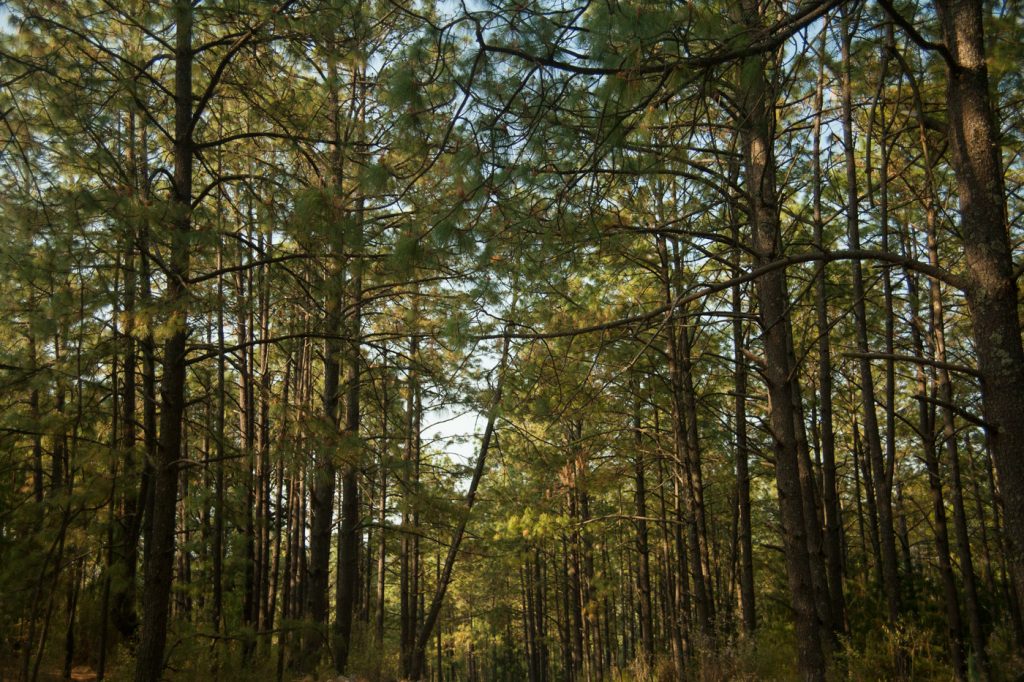
Red Bamboo (Japanese Knotweed)
A locally sourced monofloral honey from Barre, Massachusetts. [Partner: Autumn Morning Farm]
Color: Amber | Nectar Source: Japanese Knotweed | Region: Barre, Massachusetts

Massachusetts Spring Blossom
Color: Amber/Light Amber | Region: Massachusetts
Massachusetts Blueberry
Aroma: Caramelized sugar, Fruity, Soft | Color: Light Amber | Nectar Source: Blueberry Blossoms | Region: Massachusetts | Harvest Season: June-September
Massachusetts Wildflower
Light amber to amber in color. Botanical sources range from grasses and weeds to various flowering fruit trees such as apple, black locust, and maple. [Partner: Autumn Morning Farm]
Color: Light Amber | Region: Barre, Massachusetts

South America
Chilean Tiaca (tee-ah-kah)
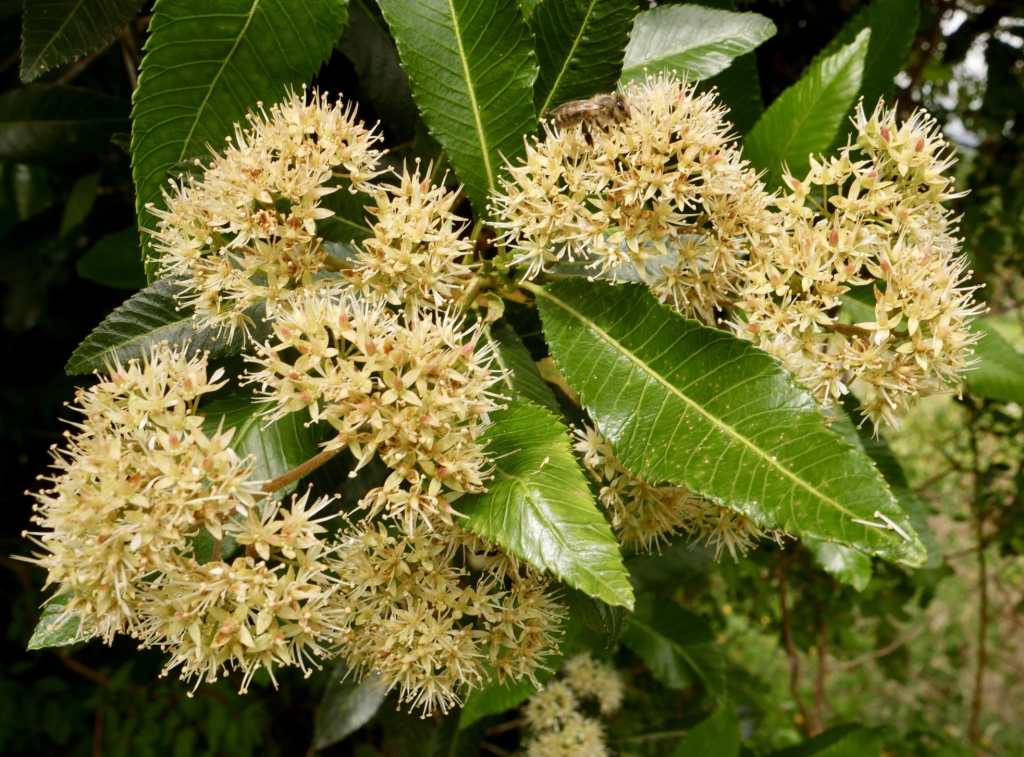
The Tiaca tree is native to South America and produces prodigious amounts of intensely aromatic and flavorful nectar. Some say this is the essence of how liquorices should smell, with heavy floral notes amplified my intense anise character.
Tiaca (Caldcluvia paniculta) is an evergreen tree native to Chile. It is the only species in the genus caldcluvia. The tree is another beautiful example and part of the rare ‘Valdivian jongle’ ecosystem unique to Latin America. And this monofloral liquid gold is just as unique as it sounds — you’ll understand what we mean when you open the package.
Aroma: Floral Perfume, Herbal | Color: Extra Light Amber | Nectar Source: Tiaca | Main Note: Anise | Region: Los Lagos, Chile
Colombian Acacia
The Acacia (acacia mangium) tree in Meta, Colombia blooms year-round and supports up to five harvests per year. Each harvest can have slight variation due to local seasonality for other botanical blooms in the area. This is a monofloral amber honey with notes of gingerbread. Fruity flavors that range from citrus to raspberry, depending on season.
Situated between the base of the northern Andes and the ‘bellybutton’ of Colombia, Apícola Campo Verde (ACV) started as a 1000-hectare reforestation project in Meta, Colombia, back in 1988. Covered with Acacia woodland, rivers, and shrubland, the reforestation project Acacia reforestation was initially meant (known then as Campo Verde, or Green Field) to supply sustainable construction materials for nearby Villavicencio. That all changed when honey bees showed up, and the farm began learning and implementing sustainable beekeeping practices. The project now has up to 500 active hives, and provides refuge to numerous plants and animal species, including giant armadillo. [Partner: Apícola Campo Verde]
Color: Amber | Nectar Source: Acacia | Main Note: Berry, Citrus, Tangy | Region: Meta, Colombia | Harvest Season: Multiple Annually

Chilean Ulmo
A highly antimicrobial honey with notes of jasmine and mint and a warm floral aroma. Ulmo honey is made from nectar of the flowering Ulmo tree (Eucryphia cordifolia), which is an endemic species of the sub-antarctic forests of the Patagonia region of South America. Its white, four-petalled flowers produce abundant nectar, which gives Ulmo honey a vibrantly floral flavor and aroma with earthy undertones. The main notes of this honey are jasmine, mint, and burnt almonds. Ulmo honey has a smooth, creamy texture, and an extra light amber color.
Ulmo honey won the “Best Raw Honey” prize at the 2007 Good Food Awards in the United States, but it has also gained notoriety for its health properties. This is because recent studies have shown Ulmo honey to be more effective than medical-grade Manuka honey (used in hospitals in the US for wound treatment) at combatting bacteria. A study in Ireland found that Ulmo honey outperforms Manuka honey when tested for their abilities to prevent the growth of E. Coli, MRSA (Staph infection), and Streptococcus (Strep throat). [Partner: Cooperativa Mieles del Sur]
Aroma: Flowery, Warm | Color: Extra Light Amber | Nectar Source: Ulmo | Main Note: Jasmine, Mint | Texture: Creamy, Thick | Region: Patagonia, Chile | Harvest Season: February–April

Chilean Alfalfa Chilota
A sweet honey with notes of clove, lime and dry hay with a bright and fruity tang. Alfalfa Chilota is an herbaceous plant that grows along the edges and in the clearings of Patagonia’s temperate rainforest. In the same family as the Alfalfa plant most North Americans are familiar with, Alfalfa Chilota has yellow flowers that bloom between December and January. The honey from these flowers tends to be sweeter and fruitier than other Patagonian honey varieties. Alfalfa Chilota honey has a bright, tangy flavor and leaves a sensation of lime and dry hay on the palate. Some people note a hint of clove as well. [Partner: Cooperativa Mieles del Sur]
Aroma: Earthy, Fruity | Color: Extra Light Amber | Texture: Granular, Thick | Nectar Source: Alfalfa Chilota | Main Note: Dry Hay, Lime | Region: Patagonia, Chile | Harvest Season: December–January
